How to Audit a Bluetooth Speaker Factory Before Placing an Order (2026 Guide)
How to Audit a Bluetooth Speaker Factory Before Placing an Order
Introduction
Selecting the right Bluetooth speaker manufacturer is only the first step. Before committing to an OEM or ODM project, professional buyers usually conduct a factory audit to evaluate whether the supplier can consistently deliver quality products, meet delivery schedules, and support long-term cooperation.
A factory audit is not only for large corporations. Today, Amazon sellers, importers, distributors, and growing consumer electronics brands also use factory audits to reduce sourcing risks.
This guide explains the key areas you should evaluate before placing your first order.
Why a Factory Audit Matters
A factory audit helps buyers verify whether a supplier's actual capabilities match its marketing claims.
A professional audit can help you:
Reduce supply chain risks
Verify production capability
Improve product quality
Avoid delivery delays
Build long-term partnerships
Rather than relying only on quotations or product photos, a factory audit provides a clearer picture of how a manufacturer operates.
Step 1: Verify the Factory's Manufacturing Experience
Ask questions such as:
How many years has the factory specialized in speaker manufacturing?
What product categories do they produce?
Which export markets do they serve?
Do they have experience with OEM and ODM projects?
A manufacturer focused on audio products is generally better equipped than a general electronics factory.
Step 2: Evaluate Research and Development (R&D)
Strong R&D capability is essential for product customization and innovation.
Look for evidence of:
Product engineers
Acoustic engineers
Industrial designers
Tooling engineers
PCB development capability
Factories with in-house R&D teams can usually respond faster to customization requests and technical challenges.
Step 3: Inspect Production Facilities
During an on-site or virtual audit, pay attention to:
Production line organization
Assembly processes
Equipment condition
Material storage
Workplace cleanliness
A well-organized production environment often reflects stronger operational management.
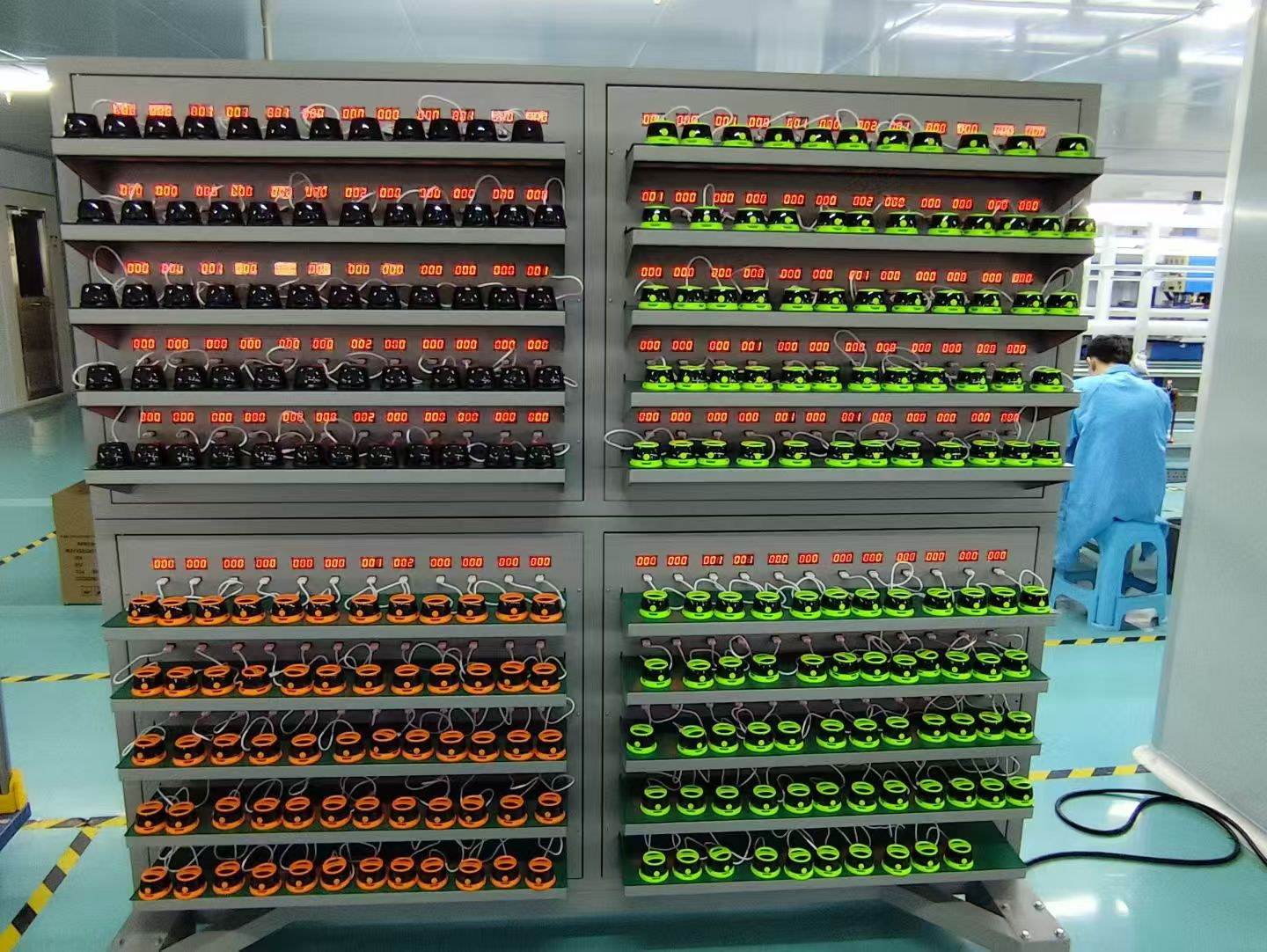
Step 4: Review Quality Control Procedures
Quality management should be integrated into every stage of production.
A complete system typically includes:
Incoming Quality Control (IQC)
Inspection of components before production.
In-Process Quality Control (IPQC)
Continuous monitoring during assembly.
Final Quality Control (FQC)
Testing finished products before shipment.
Outgoing Quality Assurance (OQA)
Final inspection before products leave the factory.
Ask whether inspection records are documented and traceable.
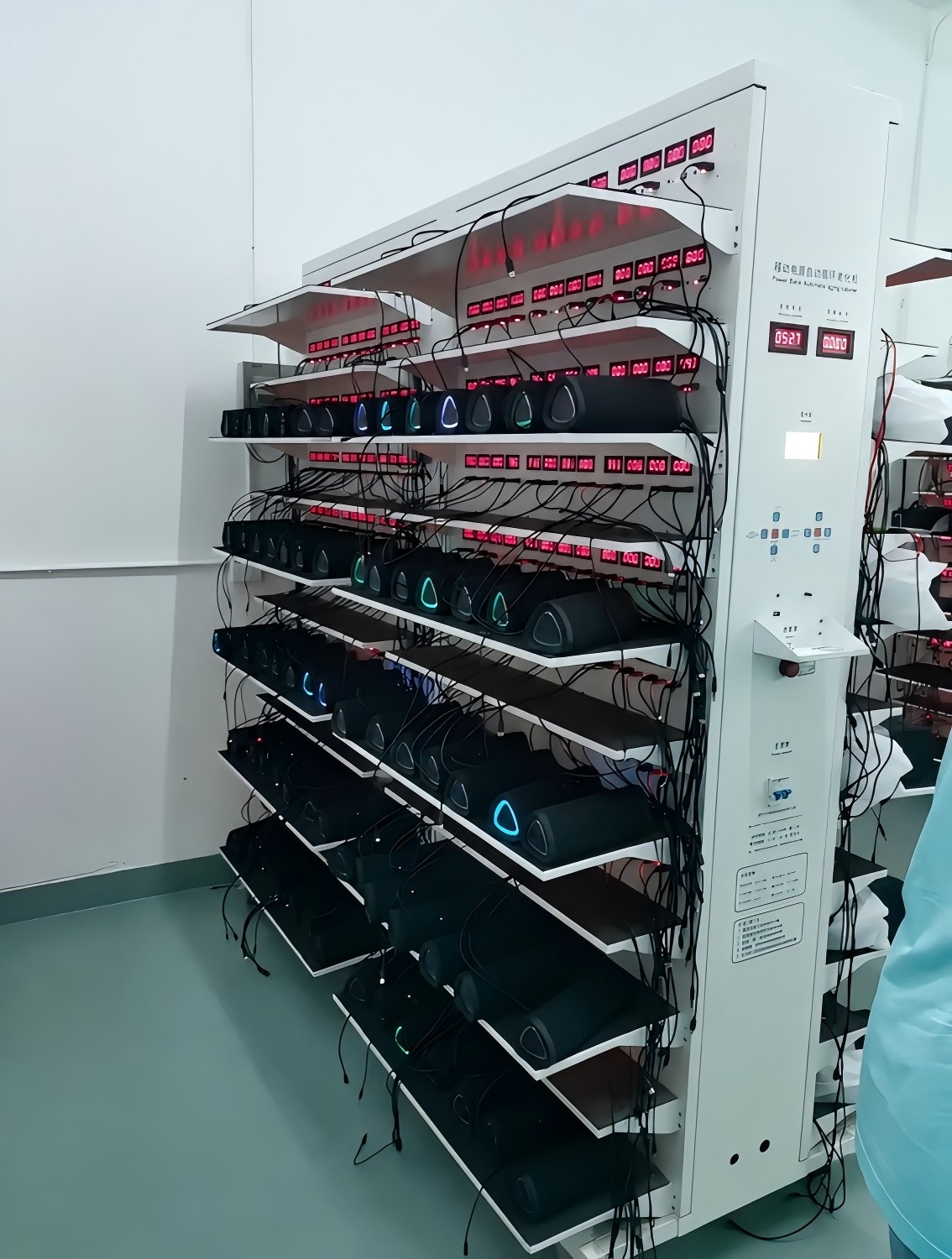
Step 5: Review Product Testing Capabilities
Professional speaker manufacturers should perform a variety of tests, including:
Audio performance testing
Bluetooth connection testing
Battery charging and discharge testing
Aging tests
Drop tests
Waterproof tests (for outdoor models)
Button and interface testing
A dedicated testing area demonstrates the factory's commitment to product reliability.
Step 6: Confirm Certification Support
If you plan to export internationally, verify whether the factory can support compliance with:
CE
FCC
RoHS
REACH
UKCA
KC
Also ask whether they have experience working with third-party testing laboratories.
Step 7: Assess Supply Chain Stability
Reliable manufacturers maintain stable relationships with component suppliers.
Discuss topics such as:
Speaker driver sourcing
Battery suppliers
Bluetooth chip suppliers
Backup component options
A resilient supply chain helps minimize production disruptions.
Step 8: Evaluate Communication and Project Management
Communication is often overlooked but is critical to successful cooperation.
Look for suppliers who provide:
Clear quotations
Technical documentation
Regular project updates
Fast response times
English-speaking sales and engineering support
Efficient communication reduces misunderstandings and accelerates product development.
Step 9: Request Samples Before Mass Production
Always evaluate samples before confirming a bulk order.
Check:
Sound quality
Bluetooth performance
Build quality
Packaging
Product appearance
User experience
Sample evaluation allows you to identify issues before large-scale production begins.
Step 10: Look for Long-Term Partnership Potential
Rather than selecting a supplier for a single project, consider whether the factory can support future product development.
Questions to ask include:
Can they develop new products?
Do they offer ongoing engineering support?
Can they scale production as your business grows?
A strong long-term partner contributes to sustainable business growth.
Why Choose Shinedee
Shenzhen Shinedee Electronics Co., Ltd. has specialized in speaker manufacturing since 2010.
Our capabilities include:
RGB Gaming Speakers
Portable Bluetooth Speakers
Outdoor Waterproof Speakers
Gaming Soundbars
2.0 Computer Speakers
We provide:
OEM manufacturing
ODM development
In-house engineering support
Tooling development
Strict quality control
Comprehensive product testing
With more than 15 years of experience and customers across North America, Europe, South Korea, Singapore, and other global markets, we are committed to helping brands build reliable, high-quality audio products.
Frequently Asked Questions
Can a factory audit be conducted remotely?
Yes. Many manufacturers now offer virtual factory tours using live video, allowing buyers to review production lines and quality control procedures remotely.
How long does a factory audit usually take?
A standard audit generally takes between two and four hours, depending on the size of the facility and the scope of the evaluation.
Should I request product samples after the audit?
Yes. Sample evaluation is a critical step before confirming mass production.
What are the most important areas to inspect?
Focus on production capability, quality management, engineering support, certifications, and communication efficiency.
Is a factory audit necessary for small orders?
Even for smaller projects, an audit or virtual inspection can help reduce sourcing risks and establish confidence in your supplier.
Conclusion
A thorough factory audit is one of the best ways to reduce sourcing risk and ensure long-term manufacturing success.
By evaluating engineering capabilities, production facilities, quality control systems, certifications, and communication practices, buyers can make informed decisions and build stronger supplier relationships.
If you are looking for a reliable OEM and ODM speaker manufacturer, Shenzhen Shinedee Electronics welcomes factory visits, virtual audits, and technical discussions to support your next audio project.