Private Label Portable Bluetooth Speaker Guide: How Brands Build Their Own Audio Products
Private Label Portable Bluetooth Speaker Guide: How Brands Build Their Own Audio Products
Develop private label Bluetooth speakers with custom logos, colors, packaging, RGB lighting and product functions. OEM/ODM manufacturing support for brands, importers and distributors.
Introduction
Shinedee is a private label Bluetooth speaker manufacturer supporting brands, importers and distributors with product customization, packaging development and mass production.
The Bluetooth speaker market continues to attract new brands, retailers, and online sellers who want to build their own audio product lines. However, creating a successful speaker brand requires more than finding an existing product and adding a logo.
Modern consumers expect:
Unique design
Reliable sound quality
Strong brand identity
Professional packaging
Differentiated features
Private label manufacturing allows businesses to launch their own portable Bluetooth speakers without owning a factory.
With the support of an experienced OEM and ODM manufacturer, brands can develop products that match their target market and business strategy.
This guide explains how companies create private label portable Bluetooth speakers from concept to market launch.
What Is a Private Label Portable Bluetooth Speaker?
A private label portable Bluetooth speaker is a product manufactured by a supplier and sold under a customer's own brand.
The manufacturer provides:
Product development
Engineering support
Production
Quality control
The brand controls:
Brand identity
Marketing
Sales channels
Customer relationships
This model allows businesses to enter the audio market with lower manufacturing investment.
Why Private Label Speakers Are Attractive
1. Growing Wireless Audio Market
Bluetooth speakers are used across many scenarios:
Home entertainment
Travel
Camping
Outdoor activities
Gifts
Lifestyle products
This creates opportunities for different brand positioning.
2. E-Commerce Growth
Private label speakers are popular among:
Amazon sellers
Shopify brands
Online retailers
Because they offer:
Product flexibility
Brand control
Market expansion opportunities
3. Brand Differentiation
Selling identical products creates price competition.
Private label allows brands to customize:
Design
Features
Packaging
User experience
Step 1: Define Your Brand Positioning
Before product development, brands should identify:
Target Customer
Examples:
Outdoor enthusiasts
Travelers
Students
Music lovers
Gift buyers
Price Positioning
Examples:
Entry-Level Brand
Focus:
Affordable
Practical features
Large market
Lifestyle Brand
Focus:
Design
User experience
Brand story
Premium Brand
Focus:
Sound quality
Materials
Advanced features
Step 2: Choose the Right Product Type
Private label portable speakers can target different markets.
Mini Portable Speaker
Suitable for:
Travel
Personal use
Gifts
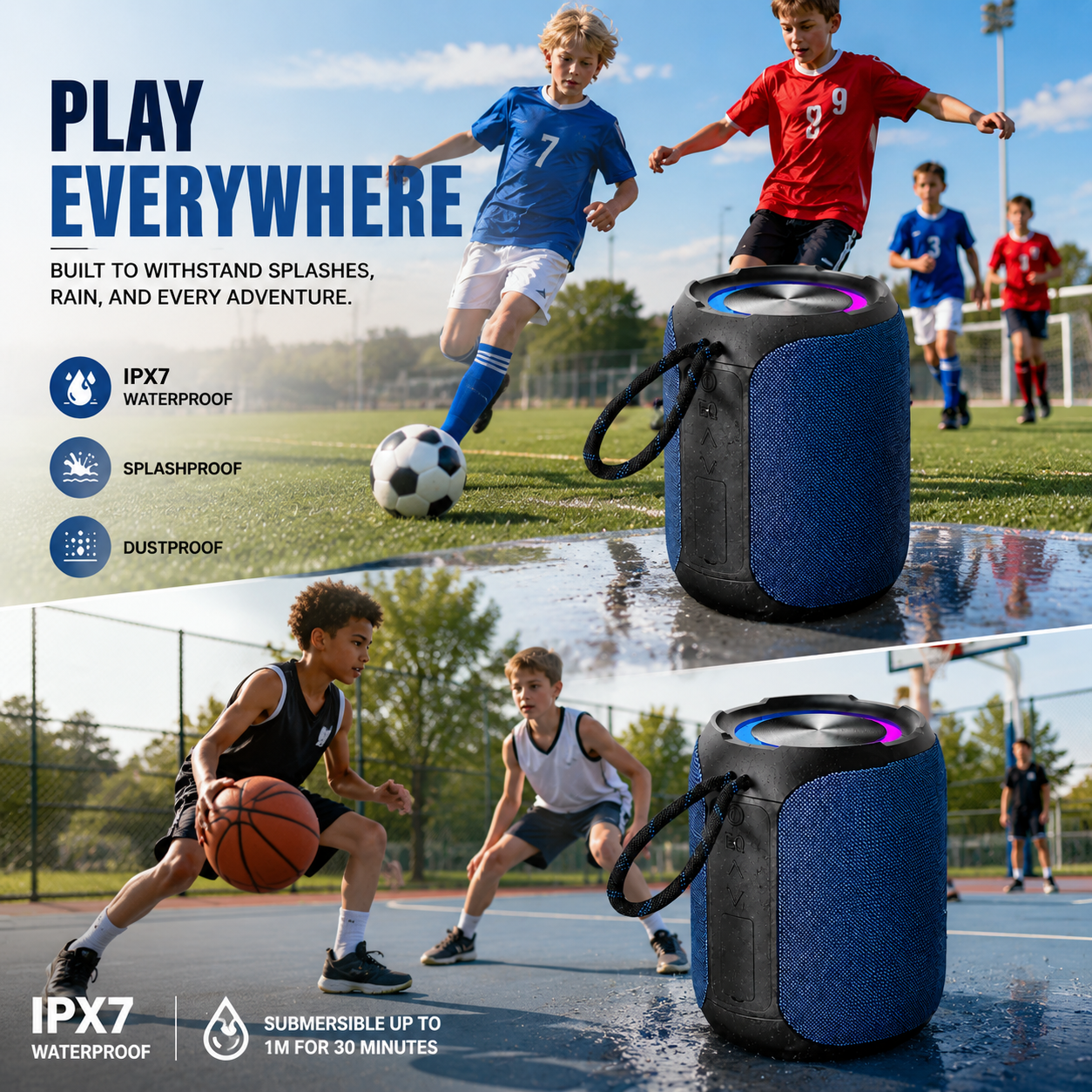
Outdoor Waterproof Speaker
Suitable for:
Camping
Beach
Adventure
Features:
IPX protection
Durable structure
Long battery life
Premium Portable Speaker
Suitable for:
Lifestyle brands
Higher-end markets
Focus:
Materials
Sound quality
Design
Step 3: Customize Your Product
Private label customization goes beyond logo printing.
Product Appearance
Options include:
Housing color
Shape
Materials
Surface finish
Audio Performance
Brands can customize:
Speaker drivers
Sound tuning
Bass performance
Output power
Functional Features
Options include:
TWS pairing
RGB lighting
Voice prompts
Battery capacity
Waterproof level
Packaging
Professional packaging helps improve:
Brand recognition
Retail presentation
Customer experience
Options include:
Color box
Gift packaging
User manuals
Brand inserts
Step 4: Select the Right OEM Partner
The manufacturing partner directly affects product success.
Evaluate:
Product Experience
Does the factory understand:
Portable speakers?
Outdoor applications?
Bluetooth technology?
Engineering Capability
Look for:
Acoustic development
Structural design
Battery optimization
Quality System
Check:
Testing procedures
Production control
Reliability standards
Step 5: Develop Samples
Before mass production, brands should evaluate samples.
Important checks include:
Sound Quality
Bass
Clarity
Volume
Product Quality
Materials
Buttons
Assembly
User Experience
Bluetooth connection
Charging
Controls
Step 6: Prepare for Market Launch
Successful private label brands prepare:
Product Content
Including:
Photos
Videos
Product descriptions
Sales Channels
Examples:
Amazon
Independent website
Retail stores
Distributors
Marketing Strategy
Including:
SEO
Social media
Influencer marketing
Advertising
Private Label vs OEM vs ODM
| Model | Best For | Main Advantage |
|---|---|---|
| Private Label | New brands | Brand ownership |
| ODM | Fast launch | Lower development cost |
| OEM | Established brands | Maximum customization |
🔎READ: Portable Bluetooth Speaker OEM vs ODM: Which Manufacturing Model Is Better for Brands?
Common Mistakes New Brands Make
Choosing Only by Price
Low cost may create:
Poor quality
Negative reviews
Brand damage
No Product Differentiation
Generic products are difficult to compete with.
Ignoring Packaging
Packaging influences customer perception.
Skipping Product Testing
Poor reliability damages brand reputation.
🏭 Real Factory Insight
Many new brands believe the fastest way to launch is choosing the cheapest existing product.
However, successful private label brands usually spend more time defining:
Target users
Product positioning
Key features
Brand experience
before production starts.
A strong product strategy creates better long-term results than simply finding the lowest manufacturing price.
Why Choose Shinedee
Shenzhen Shinedee Electronics helps brands develop private label portable Bluetooth speakers.
Our capabilities include:
Product planning
Industrial design
Acoustic tuning
Battery optimization
Waterproof development
Packaging customization
OEM & ODM manufacturing
Product categories:
Portable Bluetooth Speakers
Outdoor Waterproof Speakers
RGB Gaming Speakers
Gaming Soundbars
With over 16 years of manufacturing experience, Shinedee supports global brands from concept development to mass production.
Frequently Asked Questions
Can I create my own Bluetooth speaker brand?
Yes. Private label manufacturing allows businesses to build branded products without owning a factory.
What can be customized in private label speakers?
Brands can customize design, logo, packaging, features, sound, and product specifications.
Is private label suitable for Amazon sellers?
Yes. Many Amazon brands use private label manufacturing to create differentiated products.
What MOQ is needed for private label speakers?
MOQ depends on customization level, product type, and manufacturing requirements.
Do I need my own product design?
Not necessarily. ODM solutions allow brands to start with existing platforms.
Conclusion
Private label portable Bluetooth speakers provide a practical way for brands to enter the audio market and build long-term product lines.
Success depends on choosing the right product strategy, creating differentiation, and working with an experienced OEM and ODM manufacturer.
Shinedee helps global brands transform ideas into market-ready portable audio products through professional development and manufacturing solutions.
🔎Read more: Portable Bluetooth Speaker Manufacturer: Complete OEM & ODM Guide for Brands in 2026