Bluetooth Speaker Lifespan & Reliability: What Determines Product Durability in 2026
Bluetooth Speaker Lifespan & Reliability: What Determines Product Durability
Introduction
When purchasing Bluetooth speakers, most buyers focus on sound quality, price, and design. However, for brands, importers, and Amazon sellers, one of the most important hidden factors is product lifespan and long-term reliability.
A speaker that performs well in the first month but fails after a few months can lead to:
Negative reviews
High return rates
Warranty costs
Brand reputation damage
This is why understanding what affects speaker durability is essential in OEM and ODM manufacturing.
What Is Bluetooth Speaker Lifespan?
Bluetooth speaker lifespan refers to how long a speaker can maintain stable performance under normal usage conditions.
A high-quality speaker should last:
2–5 years for consumer products
Even longer for premium OEM designs
Lifespan depends on both electronic components and mechanical structure.
1. Battery Cycle Life
The battery is one of the most critical factors affecting lifespan.
Key factors:
Charge cycles (typically 300–1000 cycles)
Battery cell quality
Charging protection system
Temperature stability
Low-quality batteries degrade quickly, reducing playback time and overall usability.
🔎Read more: Portable Bluetooth Speaker Battery Life Guide
2. Speaker Driver Durability
The speaker driver directly affects sound performance and longevity.
Important factors:
Magnet stability
Diaphragm material durability
Coil heat resistance
Mechanical stress tolerance
Over time, low-quality drivers may cause:
Sound distortion
Reduced bass
Volume imbalance
3. PCB Stability (Core Electronics)
The PCB board controls all electronic functions.
Durability depends on:
Circuit design quality
Component stability
Heat dissipation
Soldering quality
Poor PCB design can lead to:
Connection failure
Bluetooth instability
Power issues
4. Structural Design & Material Quality
The housing protects internal components.
Common materials include:
ABS plastic
PC + ABS composite
Rubberized coatings
A strong structure helps prevent damage from:
Drops
Pressure
Transportation impact
5. Waterproof & Environmental Protection
For outdoor speakers, protection level is critical.
Common IP ratings:
IPX4: Splash resistance
IPX5–IPX6: Water jet resistance
IPX7: Temporary immersion protection
Poor waterproof design can significantly reduce product lifespan.
🔎Read more: Portable Bluetooth Speaker Waterproof Testing: How IP Ratings Are Verified
6. Thermal Management
Heat is one of the main causes of electronic degradation.
Good designs include:
Heat-resistant PCB layout
Ventilation structure
Efficient power management
Overheating reduces battery and component lifespan.
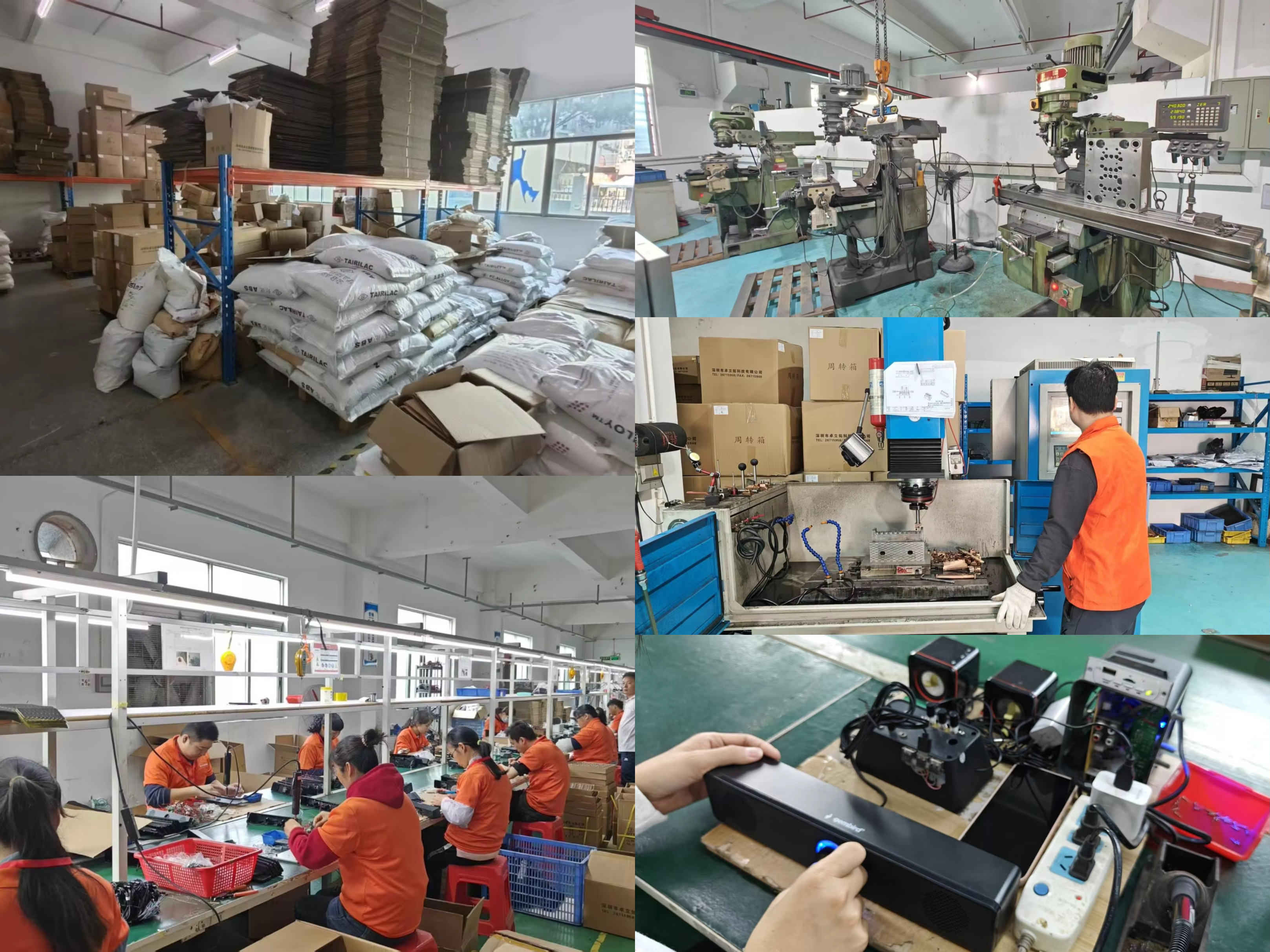
7. Manufacturing Quality Control
Even good designs can fail without proper production control.
Key quality processes include:
Incoming material inspection (IQC)
In-process quality control (IPQC)
Final inspection (FQC)
Aging test before shipment
These processes ensure long-term stability.
🏭 Real Factory Insight
In real production, most early product failures do not come from design problems, but from small inconsistencies in manufacturing.
For example:
Slight variation in battery batches
Improper soldering temperature
Weak adhesive sealing in waterproof structures
That is why experienced OEM factories do not rely on design alone—they rely on strict production consistency control across every batch.
How Buyers Should Evaluate Product Reliability
Before choosing a manufacturer, ask:
What is the expected battery cycle life?
Do you perform aging tests before shipment?
How do you control component consistency?
What is your defect rate per batch?
Do you track long-term product feedback?
These questions help identify whether a supplier is truly production-ready or only sample-oriented.
OEM & ODM Impact on Lifespan
Product lifespan is strongly influenced by manufacturing model.
OEM Products
Higher customization
Better component selection
Longer development cycle
Better durability potential
ODM Products
Faster production
Standardized components
Lower development cost
Stable but less customizable durability
Why Reliability Matters for Brands
For brands, reliability directly affects:
Customer satisfaction
Return rates
Marketplace ratings (Amazon, etc.)
Long-term brand value
A durable product is always more profitable in the long run, even if initial cost is higher.
Why Choose Shinedee
Shenzhen Shinedee Electronics Co., Ltd. focuses on building reliable Bluetooth speakers through strict engineering and manufacturing control.
We specialize in:
RGB Gaming Speakers
Portable Bluetooth Speakers
Outdoor Waterproof Speakers
Gaming Soundbars
Computer Speakers
Our durability systems include:
Battery cycle testing
Aging tests
Audio stress testing
Waterproof validation
Structural reliability checks
With over 16 years of experience, we help global brands build products designed for long-term market success.
Brands can work with an experienced portable Bluetooth speaker manufacturer to manage product design, acoustic development, testing and mass production.
Frequently Asked Questions:
How long should a Bluetooth speaker last?
Typically 2–5 years depending on usage and product quality.
What is the most important factor affecting lifespan?
Battery quality and PCB stability are the most critical factors.
Do waterproof speakers last longer?
Not necessarily, but they are better protected against environmental damage.
Can OEM manufacturing improve product durability?
Yes, because OEM allows better control over materials and design.
What causes early speaker failure?
Battery degradation, poor soldering, and weak structural design are common causes.
Conclusion
Bluetooth speaker lifespan is determined by a combination of battery quality, electronic stability, acoustic design, and manufacturing control. For brands entering the audio market, focusing on reliability is just as important as focusing on sound quality and design.
A well-built speaker not only reduces after-sales issues but also strengthens brand reputation in competitive global markets. Shinedee continues to improve durability standards across all product lines to help partners build long-term successful audio brands.