Bluetooth Speaker Warranty Guide: How Manufacturers Handle After-Sales Service in 2026
Bluetooth Speaker Warranty Guide: How Manufacturers Handle After-Sales Service
Introduction
For global brands, importers, Amazon sellers, and distributors, after-sales service is one of the most important factors when choosing a Bluetooth speaker manufacturer. Even high-quality products may occasionally experience issues due to transportation, usage conditions, or component variation.
A clear and reliable warranty system is essential to protect both the brand and the end customer. This guide explains how Bluetooth speaker manufacturers typically handle warranty and after-sales service in OEM and ODM projects.
Why Warranty Matters in Speaker Manufacturing
Warranty is not just a policy—it is a reflection of manufacturing confidence.
A strong warranty system helps:
Build buyer trust
Reduce customer risk
Strengthen brand reputation
Improve long-term cooperation
Reduce return disputes
For international buyers, warranty terms are often a key decision factor before placing an order.
Common Warranty Periods in the Industry
Most Bluetooth speaker manufacturers offer:
6 months warranty (basic level)
12 months warranty (standard level)
18–24 months warranty (premium brands)
The exact warranty depends on:
Product type
Market positioning
Order volume
Customization level
Premium OEM brands usually require longer warranty coverage.
What a Standard Warranty Covers
A typical Bluetooth speaker warranty includes:
Covered Issues:
Bluetooth connectivity failure
Battery defects
PCB malfunction
Charging issues
Audio distortion due to manufacturing defects
LED or RGB system failure
Not Covered Issues:
Physical damage caused by misuse
Water damage beyond rated IP level
Unauthorized modifications
Accidental drops or improper handling
How Manufacturers Handle Defective Units
Professional manufacturers usually adopt one of the following approaches:
1. Replacement Policy
Defective units are replaced in the next shipment. This is the most common method for OEM and ODM projects.
2. Spare Parts Ratio
Manufacturers may provide extra units (e.g., 1–2%) as spare replacements. This helps buyers handle minor defects locally.
3. Return for Repair (RMA System)
In some cases, defective products are returned to the factory for repair and analysis. This helps identify root causes and improve production quality.
Quality vs Warranty Relationship
A strong warranty system is usually supported by strong quality control.
Factories with strict QC systems tend to have:
Lower defect rates
Fewer warranty claims
Higher customer satisfaction
More stable long-term partnerships
Warranty is essentially a reflection of production quality.
🔎Read more: Portable Bluetooth Speaker Quality Control Guide
OEM & ODM Warranty Considerations
OEM Projects
OEM customers usually require:
Custom warranty terms
Brand-specific service policies
Longer coverage periods
Higher quality standards
ODM Projects
ODM products typically use:
Standard factory warranty
Pre-defined service terms
Faster replacement cycles
How Buyers Should Evaluate Warranty Policies
Before choosing a manufacturer, ask:
What is your warranty period?
How do you handle defective products?
Do you provide spare units?
What is your defect rate?
Can warranty terms be customized for brands?
Clear answers indicate a professional manufacturing system.
Common Warranty Problems in the Industry
Without proper management, brands may face:
Slow response to defect claims
Unclear responsibility division
High return shipping costs
Inconsistent replacement policies
Communication delays
These issues can significantly affect brand reputation.
How to Reduce Warranty Risk
1. Improve Product Quality at Source
Better components = fewer failures.
2. Conduct Strict Pre-Shipment Testing
Including:
Audio test
Battery test
Bluetooth test
Aging test
3. Use Standardized Production Processes
Stable production reduces variation between batches.
4. Work with Experienced Manufacturers
Experienced factories usually have:
Lower defect rates
Better process control
More stable quality systems
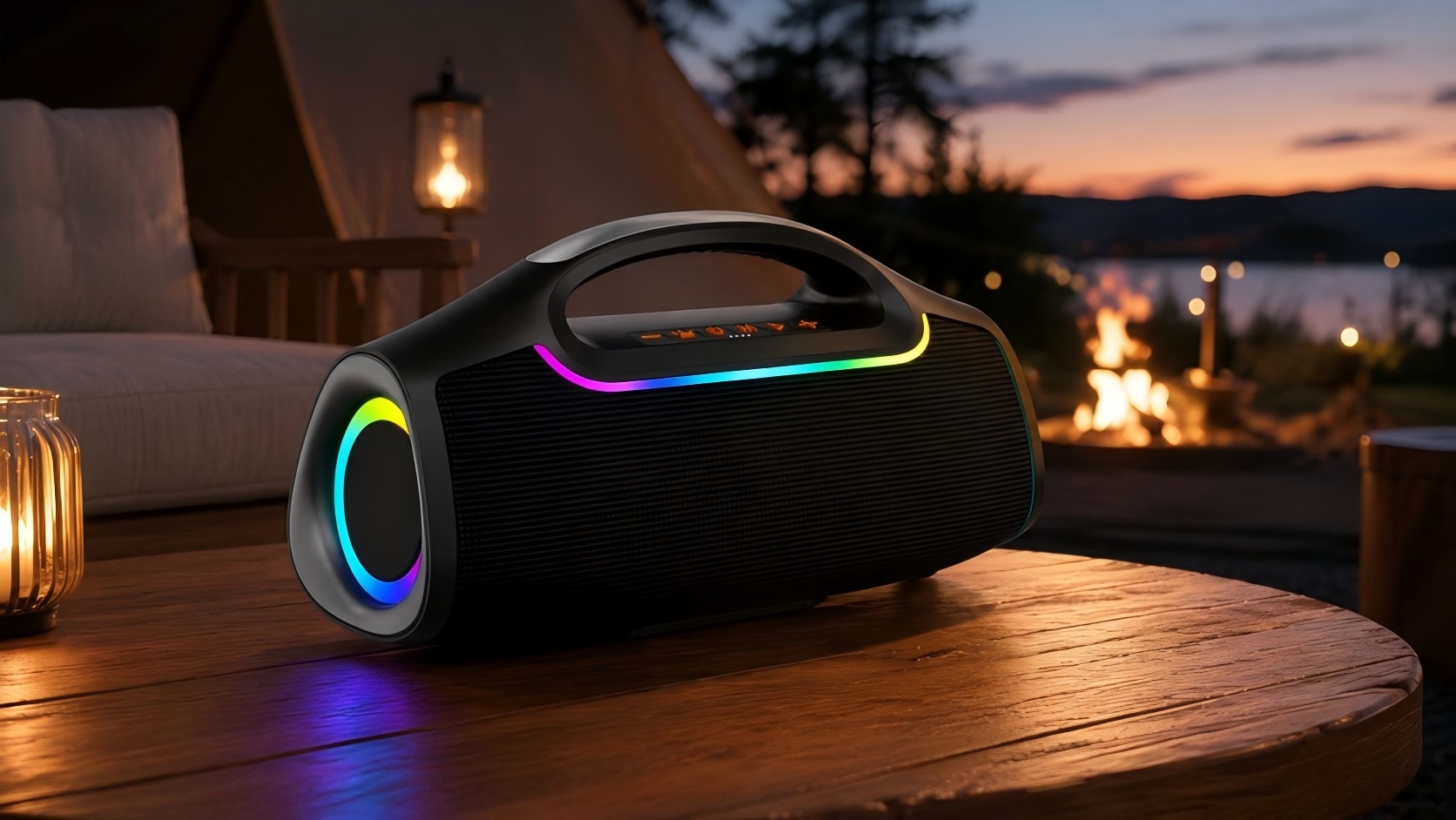
Brands can work with an experienced portable Bluetooth speaker manufacturer to manage product design, acoustic development, testing and mass production.
🏭 Real Factory Insight
In real production, most warranty issues are not random—they are usually linked to specific weak points in the production chain.
For example:
Battery batch variation from suppliers
Inconsistent soldering quality during peak production
Weak sealing in waterproof housing
That is why experienced manufacturers continuously analyze warranty claims to improve future production batches instead of treating them as isolated incidents.
Why Warranty Is Important for Brand Growth
A clear warranty system helps brands:
Build customer trust
Improve marketplace ratings
Reduce negative reviews
Increase repeat orders
Strengthen distributor confidence
In competitive markets like Amazon or retail chains, warranty quality directly affects brand success.
Why Choose Shinedee
Shenzhen Shinedee Electronics Co., Ltd. provides structured warranty and after-sales support for global OEM and ODM customers.
Our advantages include:
16+ years manufacturing experience
Stable production quality system
Controlled defect rate management
Spare unit support for OEM projects
Engineering feedback loop for product improvement
We specialize in:
RGB Gaming Speakers
Portable Bluetooth Speakers
Outdoor Waterproof Speakers
Gaming Soundbars
Computer Speakers
We aim to help global brands build not only products—but reliable long-term audio solutions.
Frequently Asked Questions:
What is a typical warranty for Bluetooth speakers?
Most manufacturers offer 6–12 months warranty, depending on product type and market.
Who pays for return shipping in warranty cases?
It depends on the agreement between buyer and manufacturer.
Can warranty terms be customized?
Yes. OEM projects often include customized warranty policies.
What is usually not covered under warranty?
Physical damage, misuse, and water damage beyond IP rating are usually excluded.
Does better quality reduce warranty claims?
Yes. Higher quality control directly reduces defect rates and warranty issues.
Conclusion
Warranty and after-sales service are essential parts of Bluetooth speaker manufacturing. A strong warranty system reflects not only product reliability but also the manufacturer's confidence in its production quality.
For brands entering global markets, choosing a supplier with stable quality control and clear warranty policies is critical for long-term success. Shinedee continues to support global partners with reliable manufacturing and structured after-sales systems to ensure long-term brand growth.